Cribbage for two players is a classic card game where each player receives six cards, two of which form a shared crib. Players alternate turns, playing cards to build a running total aiming for 31, scoring points for fifteens, pairs, runs, and the final 31. Players manage the crib to maximize points. now
Deck and Deal
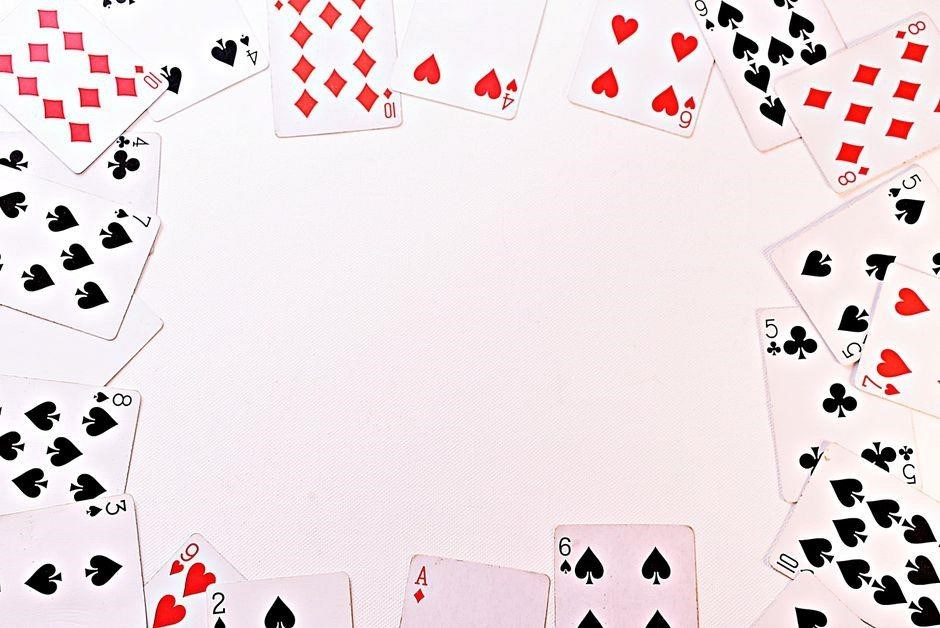
A standard 52‑card deck is used. Players cut for dealer; the higher card deals first. The dealer shuffles, then deals six cards to each player, one at a time. After dealing, each player selects two cards to discard into the crib. The dealer then discards two cards into the crib again!
Number of Cards per Player
In a two‑player cribbage game, each participant receives a fixed number of cards to form their hand and contribute to the crib. The standard rule is that the dealer deals six cards to each player, one card at a time, alternating between the two. This means that after the deal, each player holds six cards, and the remaining cards are set aside for the starter card that will be turned up later in the play. The dealer’s role is to ensure that the distribution is even and that the cut for the dealer is fair. The cut is performed by the non‑dealer, who selects a card from the top of the shuffled deck; the higher card determines the dealer for that round. Once the dealer is established, the dealer shuffles the remaining deck and begins dealing. The dealing sequence is typically: dealer gives one card to the first player, then the other player, and continues until each has six. After the six cards are dealt, each player selects two cards to discard into the crib, which is a separate pool of cards that will be scored by the dealer at the end of the round. The crib therefore contains four cards, two from each player. The number of cards dealt per player is a critical element of cribbage because it directly influences the number of possible combinations for fifteens, pairs, runs, and other scoring opportunities. It also affects the strategy for discarding into the crib, as players must balance the potential points for their own hand against the points the dealer could gain from the crib. Mastery of the dealing process, including the cut and the distribution of six cards, is essential for a smooth and fair game of cribbage for two players. The rules are consistent across most variations of the game, ensuring that every round starts with the same foundation of card distribution and crib formation. This consistency allows players to focus on strategy and scoring rather than on dealing logistics, making cribbage a timeless classic for two‑player card enthusiasts. Players often practice dealing to improve speed and accuracy, ensuring a smooth start to every game.Enjoy and play!
Crib Formation
After the initial deal of six cards to each player, the crib is created by each player selecting two cards from their hand to place face‑down into a separate pool. The crib belongs to the dealer for the entire round, meaning the dealer will score the crib after the play phase is finished. This rule is fundamental to cribbage strategy because it forces players to consider not only the strength of their own hand but also the potential points the dealer could gain from the discarded cards. Typically, players will discard cards that are less likely to contribute to fifteens, pairs, or runs in their hand, while giving dealer combinations such as a pair of aces or a sequence that could form a run in the crib. The selection process is usually done quietly, with players looking at their own hands and making a decision without revealing their choices. Once both players have placed their two cards into the crib, the crib is set aside and the play begins. During the play, the dealer will later turn over the starter card, which is the top card of the remaining deck after the cut. The starter card is added to the crib for scoring purposes, but it does not affect the play sequence. At the end of the round, after all cards have been played and the final 31 or 15 has been declared, the dealer counts the points in the crib. Points are awarded for combinations such as pairs (2 points), runs (1 point per card in the run), fifteens (2 points), and flushes if all four crib cards are of the same suit, plus a1‑point for a 31 in the crib.!

Gameplay Basics
Players alternate turns, playing one card at a time, keeping a running total that never exceeds 31. Each play can score 15s, 31, or pairs. The goal is to reach 31 or stop before the next card would bust, then count points for the hand and crib. Players watch total to avoid bust up.
Turn Order and Play
In a two‑player game, the dealer is chosen by a simple draw: each player cuts the deck, the higher card becomes dealer. The dealer shuffles and deals six cards to each player, then places two cards face down to form the crib. After the deal, the non‑dealer starts the play. Players alternate turns, each playing one card from their hand onto the central pile. The value of each card is its face value, with aces worth one and face cards worth ten. The running total is kept in the center; it must never exceed 31. If a player cannot play a card without busting, they say “go” and the opponent continues until they also cannot play, at which point the round ends. The player who played the last card scores a point for “last card.” The total is then reset to zero, and a new round begins with the same dealer. This cycle repeats until one player reaches the target score, usually 121 points, after all hands and the final crib are scored. The dealer’s role is to shuffle, deal, and receive the crib after the play, but during the play the dealer has no special advantage beyond the initial deal.

Players must be mindful of the play order; the first card sets the initial total, and each subsequent card must be played in sequence. If a player cannot play, they say “go” and the other continues until they too cannot play, at which point the round ends. The last card player earns a point.!!!

Reaching 31
Reaching 31 is one of the most exciting moments in a two‑player cribbage hand. The running total that players build with each card must never exceed 31; if a player can play a card that brings the total exactly to 31, that player immediately scores two points for the “31” and the current round ends. The card that hits 31 is usually a ten‑value card or an ace that completes the count, and the play stops before the next player has a chance to respond. After the 31 is scored, the total is reset to zero, and the next round begins with the same dealer. If a player cannot play any card without busting, they say “go” and the opponent continues playing until they also cannot play. The player who played the last legal card before the “go” scores one point for “last card.” These rules ensure that reaching 31 is both a strategic and a rewarding event in the game, encouraging players to carefully plan their card sequence to maximize their chances of hitting the perfect total; The excitement of a 31 moment often turns the tide of a match, especially when the score is close. Players must watch the pile closely, calculate the remaining values, and decide whether to risk a high card that could bring the total to 31 or to play a lower card to keep the count safe. Mastering the timing of a 31 can turn a good hand into a winning one, making it a key skill for any serious cribbage player.
Players often plan their final card to land exactly at 31, knowing that a successful hit nets two points and can swing momentum. This strategy is key.

Scoring in Hand
In the hand phase, each player scores points for combinations: fifteens (two cards totaling 15), runs (sequences of three or more consecutive cards), pairs (two identical ranks), and flushes when four or five cards share a suit. The crib adds extra points. Each hand tops 121 points.
Fifteens
In Cribbage, a “fifteen” is any combination of cards that adds up to 15, and each such combination earns two points. In the hand phase, players examine their six cards (plus the two in the crib, if scoring the crib) to locate all possible fifteens. Because the value of face cards is ten, a Jack, Queen, or King can pair with a five or two cards that sum to five (e.g., 5‑5‑5 or 9‑6). A single ten‑valued card can combine with a five or two cards that total five. The rules allow overlapping combinations; a single card may belong to multiple fifteens, but each distinct set counts separately. For example, with cards 5, 5, 5, 9, 6, the three 5s produce three separate fifteens (5‑10, 5‑10, 5‑10) and the 9‑6 pair adds another, giving 8 points from fifteens alone. In the crib, the same rules apply, but only the dealer’s crib is scored, and the crib’s fifteens contribute to the dealer’s total. Mastering fifteen counting is essential, as it often determines the outcome of a hand. Players should practice quick mental addition and recognize patterns such as “two‑fifths” or “three‑fives” to maximize their score. Additionally, when a hand contains four or five cards that can be combined in multiple ways, players can often find more than one fifteen per card, which can quickly inflate the score. For instance, a hand of 4, 4, 7, 8, 2, 3 contains the fifteens 4‑7‑4, 4‑8‑3, 7‑8‑? Actually 7‑8‑? no, but 4‑4‑7, 4‑4‑? etc. By systematically checking each pair and triple, players can ensure they capture every possible fifteen. In competitive play, a player who consistently scores 10 or more points from fifteens can dominate the game, especially when combined with strong runs and pairs. Therefore, a deep understanding of fifteen combinations, quick calculation skills, and strategic card selection are key to excelling in Cribbage. Remember, every fifteen is worth two points, so even a single card can be part of multiple fifteens, making quick mental math a vital skill. Quickly spotting fifteens boosts confidence now.

Runs
In Cribbage, a run is a sequence of three or more consecutive cards regardless of suit, and each run awards points equal to its length. For example, a 4‑5‑6 sequence scores three points, while a 7‑8‑9‑10 gives four points. When multiple runs exist, each is counted separately; overlapping cards can belong to more than one run. A hand containing 2‑3‑4‑5‑6 yields two distinct runs: 2‑3‑4‑5 and 3‑4‑5‑6, totaling eight points. The presence of duplicate ranks can create additional runs: a hand of 5‑5‑6‑7‑8 produces two runs of five cards each, totaling ten points. In the crib, runs are scored only by the dealer, and the same rules apply. Players often look for long runs to maximize points, especially when combined with fifteens and pairs. Strategic discarding to the crib can either enhance or diminish run potential, so careful consideration of the opponent’s likely hand is essential. Mastery of run identification, including recognizing hidden sequences within seemingly random cards, is a hallmark of advanced play. Consistently scoring runs can shift the momentum of a game, making it a critical component of a winning strategy. Practice counting runs quickly, and always double‑check for hidden sequences to avoid missing valuable points.
Additional strategic considerations include timing your play to avoid giving the opponent a 31, managing the crib to maximize your own score, and anticipating the dealer’s hand to adjust your discards. These nuances can turn a close game into a decisive win.
Mastering runs is key to victory.!!

Pairs
In a two‑player game, a pair is any two cards of the same rank, scoring two points. A pair‑of‑pairs (four cards of the same rank) yields six points, while a three‑of‑a‑kind gives four points. Pairs are counted in both the hand and the crib, but only the dealer scores crib pairs. Players often aim to keep high‑value pairs in hand, especially when the cut card matches a held pair, creating a “cut pair” for an extra two points. Discarding a card that matches the opponent’s potential pair can reduce their score. When evaluating hand combinations, pairs are combined with fifteens and runs for maximum points. The presence of a pair can also influence play decisions, as a player may choose to play a card that forces the opponent to discard a matching rank, preventing a future pair. Understanding the timing of pair scoring, especially during the pegging phase where a pair can be made by playing a card that matches the last card played, is crucial. Players should also be aware that a pair can be “hidden” in the crib if the dealer discards two matching cards, which can be revealed only when the crib is scored. Mastering pair strategy can give a significant edge in tight matches, as pairs often provide the most reliable source of points when runs are scarce.!!
When a player plays a card that matches the rank of the last card on the stack, a pair is scored immediately, awarding two points. If the same rank is played again, a triple scores six points, and a quadruple scores twelve. These pair points can swing the game in a tight handnow.
Scoring During Play
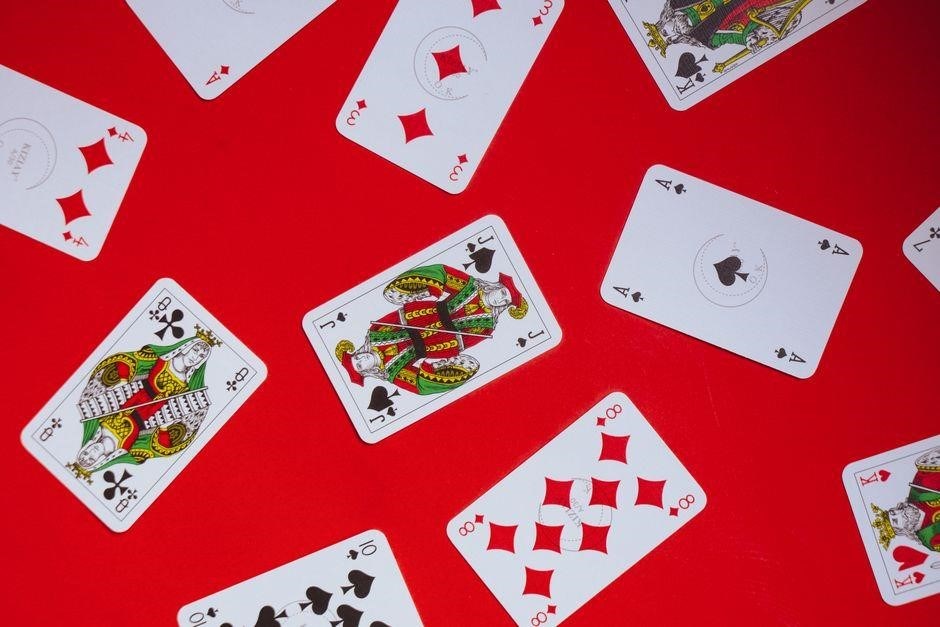
During pegging, players score 15s, 31, and pairs as cards are played. A 15 earns two points, a 31 earns two, and a pair earns two. The dealer scores a 31 if the last card reaches 31. Players must stop play when no legal moves remain. Players track 15s and 31s to maximize points!!!
15s, 31, and Pairs
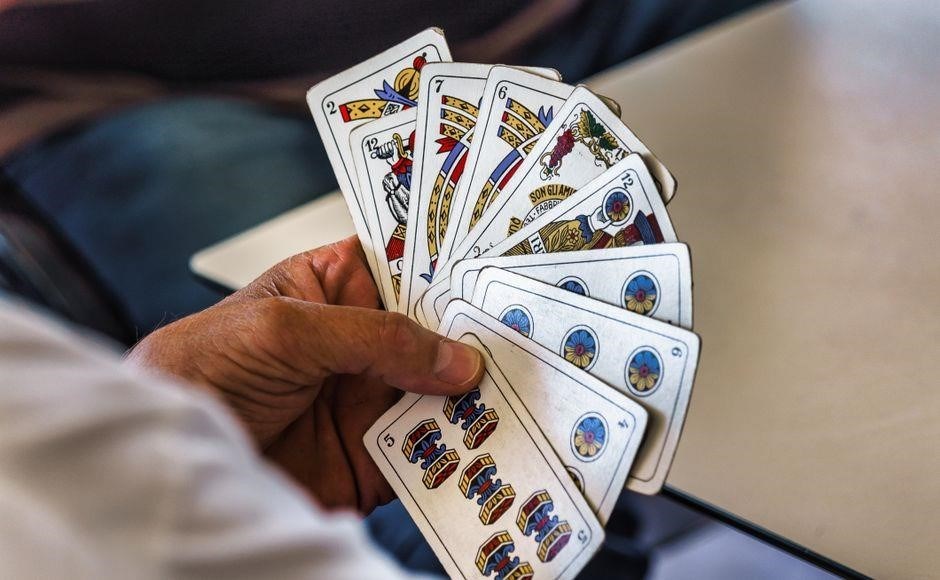
During the pegging phase of a two‑player cribbage game, players alternately lay down cards from their hands, keeping a running total that may not exceed 31. Scoring opportunities arise whenever a card placement creates a total of 15 or 31, or when a pair, three‑of‑a‑kind, or four‑of‑a‑kind is formed. A total of 15 earns two points, a total of 31 also earns two points, and the dealer scores an extra two points if the final card reaches 31. Pairs are scored as follows: a pair scores two points, a three‑of‑a‑kind scores six points, and a four‑of‑a‑kind scores twelve points. These points are added to the player’s pegging score immediately after the card is played. If a player cannot play a card without exceeding 31, the turn passes to the opponent; if neither player can play, the round ends and the player who last played scores any remaining points for a 31 or a pair. The pegging phase continues until both players have played all six cards from their hands, after which the crib is scored separately. Mastery of these scoring rules allows players to strategically decide when to play high cards to lock in 15s or 31s, or when to hold back to set up pairs for later turns. Understanding the nuances of 15s, 31, and pairs is essential for competitive play and for maximizing the total points earned in each hand. Players who master these pegging nuances often find themselves consistently outscoring opponents in tight matches. Timing foresight can swing the game in a move.!!