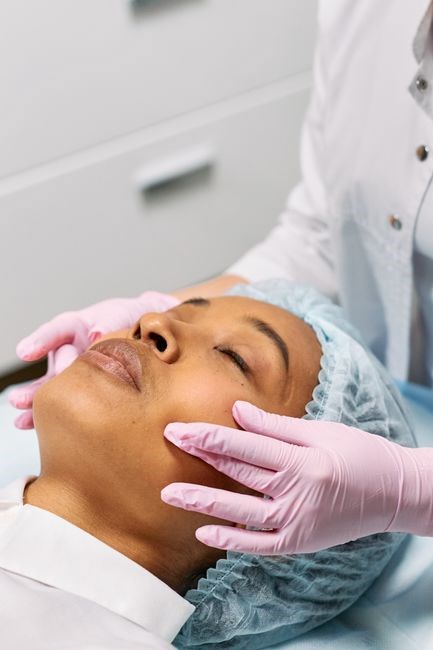
Pre‑Treatment Preparation
Start with a detailed skin assessment, noting sensitivities, acne, or active lesions. Discuss medical history and current routine. Avoid retinoids, acids, and exfoliants 48 hrs before the session. Schedule the appointment during a calm, non‑stressful period Consult your provider for personalized prep
Skin Assessment and Consultation
Prior to microneedling, a comprehensive skin assessment establishes a safe baseline. The clinician evaluates texture, tone, and any active concerns such as redness, scarring, or hyperpigmentation. A medical history review screens for recent procedures, chronic skin conditions, and medications that could influence healing. Lifestyle questions cover sun exposure, use of actives (retinoids, acids, exfoliants), and recent changes in routine. Expectations are clarified to set realistic goals and timelines. The assessment informs needle depth, density, and pass number tailored to each area. A patch test may be performed to detect sensitivity to post‑procedure products. Contraindications—active infection, severe rosacea, recent isotretinoin—are identified to postpone or adjust the plan. The clinician may also use a dermatoscope to spot microvascular changes or pigment irregularities that could alter the protocol. The practitioner also reviews any allergies, recent cosmetic treatments, and the patient’s overall skin health to customize the protocol. Additionally, hydration status and recent dietary habits are discussed, as these influence collagen synthesis after the procedure. The visit concludes with a personalized aftercare plan, recommending gentle cleansers, moisturizers, and strict sun protection to support the skin’s repair process. Finally, the clinician schedules a follow‑up appointment within 48 hours to monitor early healing and address any concerns. Patients are advised to keep moisturized and avoid irritants!!! This groundwork ensures a safer, more effective microneedling outcome.
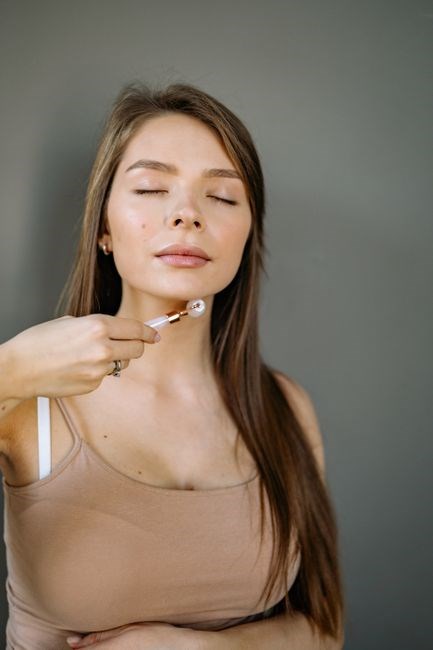
Immediate Post‑Procedure Care (0–24 Hours)
Apply a cool compress for 10‑15 min to reduce swelling. Use a gentle, fragrance‑free cleanser, then pat dry. Apply a lightweight, non‑comedogenic moisturizer. Avoid makeup, sunscreen, and active ingredients for 24 hrs. Stay hydrated and rest to support healing. Keep the area cool and rest 24 hours!
Gentle Cleansing and Moisturizing
After microneedling, use a lukewarm, fragrance‑free cleanser to remove oils without stripping moisture. Pat the skin dry with a soft towel; avoid rubbing. Apply a light, hydrating moisturizer containing ceramides or hyaluronic acid to seal the barrier. If using a serum, choose one with peptides or niacinamide, but keep it thin and avoid heavy occlusives. Repeat cleansing and moisturizing twice daily, morning and night, to support collagen synthesis and reduce redness. Keep the skin cool and avoid heat sources for 24 hours. Maintain hydration by drinking at least 64 ounces of water daily. Avoid smoking and limit alcohol for 48 hours. If swelling occurs, use a cold compress for 10 minutes hourly. Do not apply makeup until the skin has fully healed, typically after 48–72 hours. Monitor for signs of infection such as increased redness, pus, or fever. Keep the area clean and avoid touching it with unwashed hands. A gentle, fragrance‑free moisturizer can be applied up to 4 times a day as needed. Finally, schedule a follow‑up appointment within 1–2 weeks to assess progress and determine if additional sessions are necessary. Enjoy the journey to healthier skin!! If any unusual symptoms appear—such as persistent itching, swelling beyond 48 hours, or a rash—contact your provider promptly; They can assess whether a simple topical or a short course of oral medication is needed. Prompt attention helps prevent complications and ensures the best possible outcome from your microneedling treatment. Stay patient and trust the healing process results will unfold weeks soon
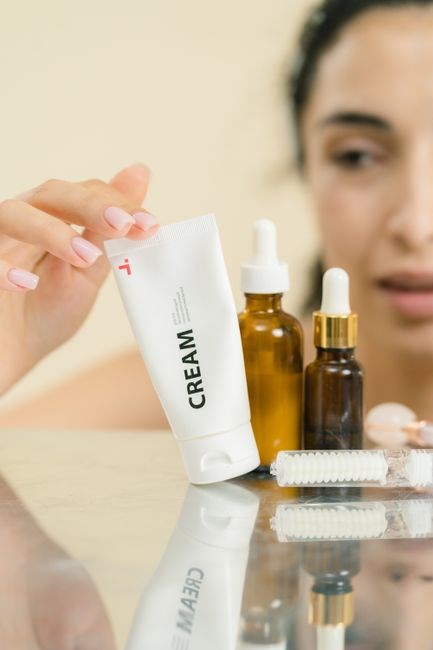
Day‑by‑Day Recovery (Day 1–Day 7)
Day 1: Expect mild redness and a slight tingling sensation. Keep the skin cool, avoid heat, and apply a gentle, fragrance-free moisturizer. Day 2–3: Mild swelling; use a cool compress. Day 4–5: Skin tight; moisturize gently. Day 6–7: Full recovery is likely; resume routine. Keep skin hydrated. Avoid makeup.
Day 1 Practices

Immediately after microneedling, the skin will feel slightly warm and may exhibit a mild, pinkish redness. Begin by gently patting the area dry with a clean, soft towel—avoid rubbing. Apply a thin layer of a fragrance‑free, non‑comedogenic moisturizer or a hydrating serum containing hyaluronic acid to soothe and lock in moisture. Do not apply any active ingredients such as retinoids, AHAs, BHAs, or vitamin C for at least 48 hours. Keep the face cool; a cool compress can alleviate any swelling or discomfort. Avoid heat sources like saunas, hot showers, or intense exercise for the first 24 hours. Refrain from makeup, especially heavy foundations or powders, until the skin has fully healed. Continue to hydrate internally by drinking at least 64 ounces of water throughout the day. If you experience any itching or mild irritation, a gentle, alcohol‑free lotion can be applied sparingly. Finally, protect the treated area from direct sunlight by wearing a wide‑brimmed hat and applying a broad‑spectrum SPF 30 or higher sunscreen once the skin feels dry. Follow these steps consistently to support optimal healing and to maximize the benefits of the microneedling session. Remember, any persistent redness or swelling beyond 48 hours warrants a professional check.
Day 3–Day 5 Expectations
By day 3, the initial redness and swelling should have subsided, leaving a faint pink hue that signals the skin’s healing process. You may feel a mild tightening sensation and notice a subtle improvement in texture. At this point, you can safely resume a gentle cleansing routine: use lukewarm water and a fragrance‑free, non‑comedogenic cleanser. Avoid any exfoliation, chemical peels, or intense facial massage until after day 5; Continue to moisturize with a soothing cream or serum rich in peptides or ceramides to support barrier repair. If irritation persists, a small amount of calming aloe‑gel can be applied. Maintain strict sun protection by applying a broad‑spectrum SPF 30+ sunscreen every morning and reapplying after swimming or sweating. Keep the skin hydrated by drinking at least 64 ounces of water daily. You may begin to see a subtle improvement in fine lines and uneven tone, but avoid makeup until the skin feels fully recovered. Monitor for any signs of delayed redness or swelling; if these persist beyond day 5, consult your provider. By day 5, the skin should feel smoother, with reduced sensitivity, and you can gradually reintroduce your normal skincare routine, excluding aggressive actives until the next session. Remember to keep the treated area clean; wash gently with lukewarm water and a mild, fragrance‑free cleanser, pat dry, and apply a thin layer of a soothing serum or moisturizer. Consistency in care will help the skin heal faster and reduce the risk of post‑treatment irritation. promptly.
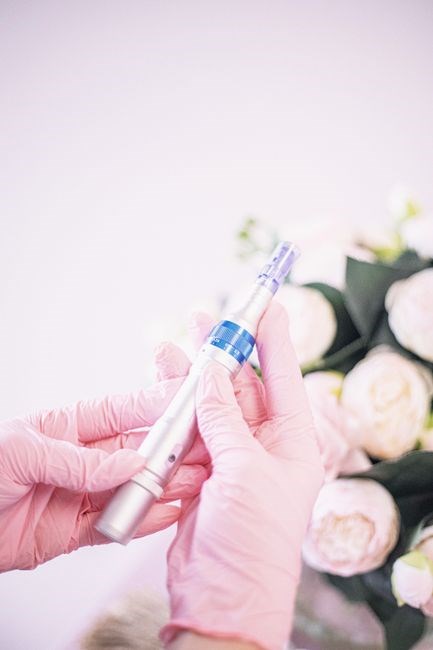
Hydration & Nutrition
Hydration is key; aim for 64–80 oz water daily. Pair with antioxidant‑rich foods—berries, leafy greens, and omega‑3s to support collagen synthesis. Avoid sugary drinks and excessive caffeine, which can dehydrate and impair healing. Keep meals balanced and stay consistent. Stay hydrated and eat balanced.
Daily Water Intake Targets
Microneedling stimulates micro‑injuries that trigger collagen production. Adequate hydration supports lymphatic drainage and nutrient delivery to the dermis. Clinical studies suggest a daily intake of 64–80 oz (1.9–2.4 L) for most adults, increasing to 96 oz (2.8 L) for those in hot climates or engaging in vigorous exercise. The goal is to maintain skin turgor and reduce post‑treatment erythema. To track intake, use a reusable bottle marked in ounces or milliliters, and log each refill. Consuming water before meals can help prevent over‑eating, while sipping throughout the day keeps the skin supple. Avoid sugary beverages and limit caffeine to 200 mg per day, as excessive caffeine can dehydrate the skin. If you experience mild dizziness or headaches, consider adding electrolytes—such as a pinch of sea salt or a commercial electrolyte powder to your water to replenish sodium and potassium. For patients with renal concerns, consult a healthcare provider before increasing intake beyond 80 oz. Finally, remember that water intake is a cumulative process; aim for consistent consumption rather than large, infrequent gulps. By maintaining optimal hydration, you enhance the healing cascade, promote smoother texture, and accelerate the return to baseline skin tone. Adhering to these hydration guidelines not only accelerates collagen synthesis but also minimizes post‑treatment redness, flaking, and swelling, ensuring a smoother, more radiant complexion as your skin heals and renews. Keep
Anti‑Inflammatory Foods
After microneedling, the skin’s micro‑injuries trigger an inflammatory cascade that ultimately promotes collagen synthesis. Consuming foods rich in omega‑3 fatty acids, antioxidants, and phytonutrients can temper excessive inflammation, support cellular repair, and accelerate the healing process. A balanced post‑treatment diet should emphasize the following categories:
- Omega‑3 Sources: Salmon, sardines, mackerel, chia seeds, flaxseed, and walnuts provide eicosapentaenoic acid (EPA) and docosahexaenoic acid (DHA), which compete with pro‑inflammatory eicosanoids and reduce cytokine production.
- Antioxidant‑Rich Produce: Berries (blueberries, strawberries, raspberries), dark leafy greens (spinach, kale, Swiss chard), cruciferous vegetables (broccoli, Brussels sprouts, cabbage), and brightly colored peppers supply vitamins C and E, carotenoids, and flavonoids that scavenge free radicals generated during the wound‑healing phase.
- Polyphenol‑Rich Beverages: Green tea, black tea, and dark chocolate (70% cacao or higher) contain catechins and theobromine, which modulate inflammatory signaling pathways and improve microcirculation.
- Whole‑Grain Carbohydrates: Quinoa, oats, barley, and brown rice provide complex carbohydrates and magnesium, which help stabilize blood glucose and reduce insulin‑mediated inflammation.
- Fermented Foods: Yogurt, kefir, kimchi, sauerkraut, and kombucha introduce probiotics that support gut barrier integrity, a key determinant of systemic inflammatory status.
- Herbs & Spices: Turmeric (curcumin), ginger, garlic, cinnamon, and cayenne pepper possess anti‑inflammatory compounds that inhibit NF‑κB activation and down‑regulate pro‑inflammatory cytokines.
Limit or avoid foods that can exacerbate inflammation: refined sugars, trans fats, processed meats, excessive alcohol, and high‑sodium snacks. Pair each meal with a source of healthy fat to enhance the absorption of fat‑soluble antioxidants. Hydration remains essential; aim for 64–80 oz of water daily, and consider adding electrolytes if you sweat heavily. By integrating these anti‑inflammatory foods into your post‑microneedling regimen, you provide the skin with the nutrients necessary for rapid, high‑quality repair while minimizing redness, swelling, and the risk of post‑treatment complications. Remember to consult a nutritionist if you have dietary restrictions or medical conditions that may affect your healing. Stay consistent!
Sun Protection & Skincare Guidelines
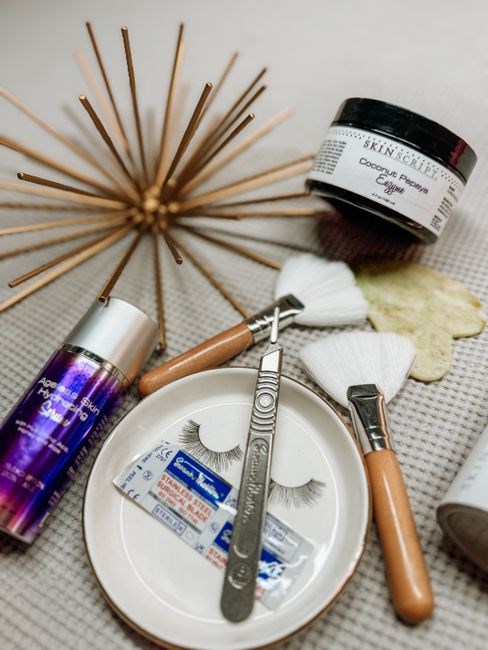
Use broad‑spectrum SPF 30+ daily, reapply every 2 hrs outdoors. Keep the skin moisturized with a fragrance‑free barrier cream. Avoid active ingredients (retinoids, acids) for 48 hrs. Wear a wide‑brim hat and UV‑blocking sunglasses to protect healing skin. Apply a aloe gel cleansing calm irritation!
Daily SPF Application
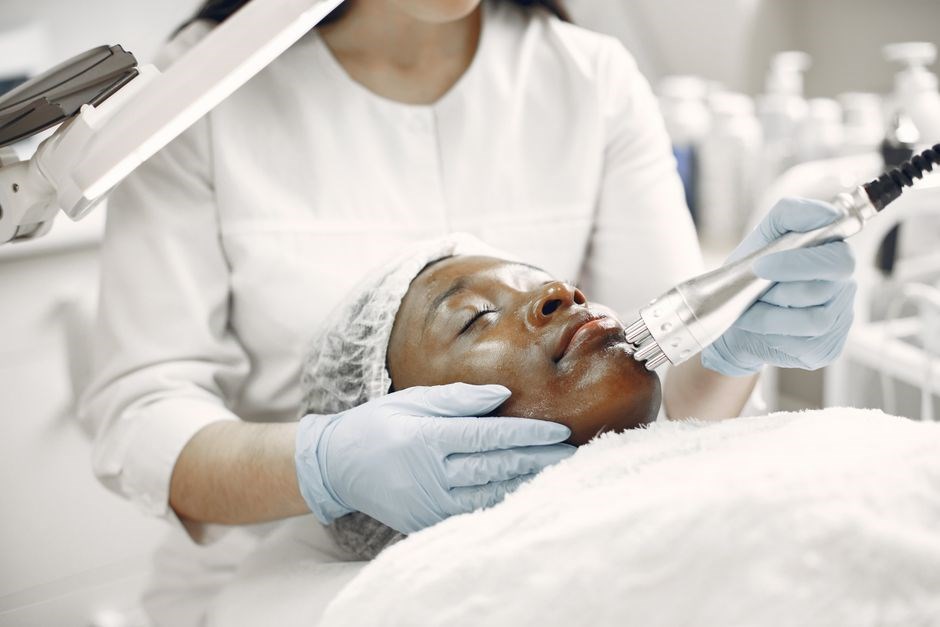
After microneedling, the epidermis is temporarily compromised, so daily sun protection is essential. Apply a broad‑spectrum mineral sunscreen (SPF 30–50) at least 30 minutes before sun exposure. Use a pea‑size amount for the face and a slightly larger amount for the neck and décolletage. Reapply every 2 hrs or immediately after swimming, sweating, or towel drying. Avoid sunscreens containing alcohol, fragrance, or high concentrations of benzyl alcohol, which can irritate the healing skin. If you prefer a tinted moisturizer, choose one with SPF 30 or higher and a matte finish to reduce shine. For outdoor activities, pair the sunscreen with a wide‑brimmed hat and UV‑blocking sunglasses. Consistent daily application helps prevent post‑inflammatory hyperpigmentation and supports collagen remodeling. Remember to remove sunscreen gently with a micellar water or a gentle cleanser before bedtime to avoid clogged pores.
Avoid Active Ingredients
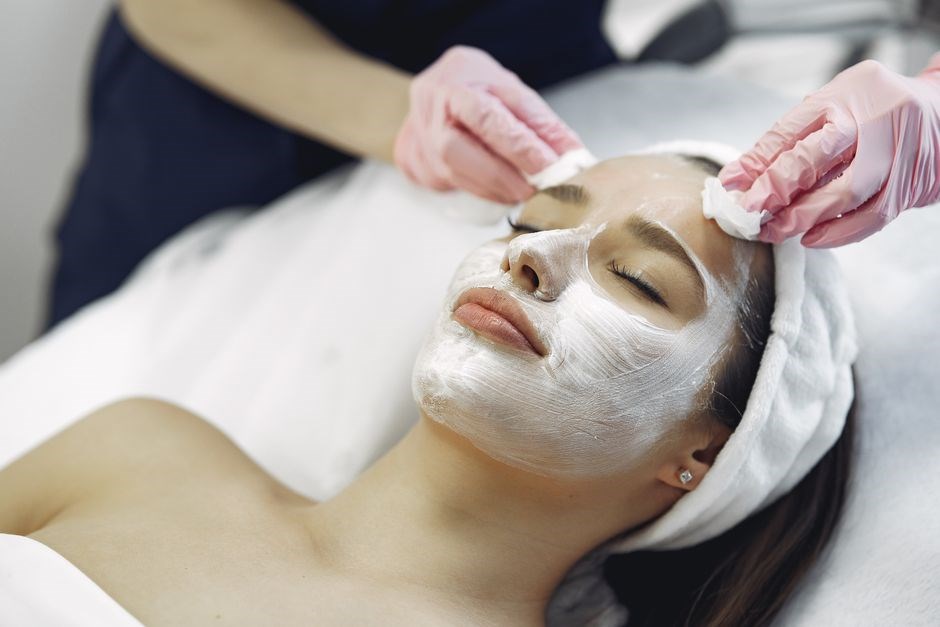
Immediately following a microneedling session, the skin’s barrier is disrupted, creating micro‑channels that can allow topical agents to penetrate deeper than intended. To safeguard the healing process, refrain from applying products that contain high‑concentration actives such as retinoids, alpha‑hydroxy acids (AHAs), beta‑hydroxy acids (BHAs), vitamin C serums, niacinamide, peptides, or any prescription‑grade compounds for at least 48–72 hours. Even gentle formulations can cause irritation or inflammation when the skin is still vulnerable. Stick instead to a fragrance‑free, hypoallergenic moisturizer that provides occlusive support and contains soothing ingredients like ceramides, hyaluronic acid, or panthenol. If you need to address specific concerns, discuss with your practitioner whether a low‑strength, non‑irritating product can be introduced after the initial healing window. Remember, the goal is to allow the newly formed collagen to remodel without external disruption. During the first 48 hours, the skin is especially sensitive; therefore, avoid any exfoliating or chemical peels, and keep the area clean with a mild, alcohol‑free cleanser. If you experience mild redness or swelling, a cold compress can help reduce inflammation. After the initial healing window, you may gradually reintroduce low‑strength actives, but always perform a patch test to ensure no adverse reaction. Keep the skin hydrated with a non‑comedogenic, fragrance‑free lotion, and consider incorporating a gentle antioxidant serum with 5% vitamin C once the skin has fully recovered. Finally, maintain a balanced diet rich in omega‑3 fatty acids, antioxidants, and adequate protein to support collagen synthesis and overall skin resilience. Consult your dermatologist before adding new products and monitor for any adverse reactions in the first week. Always follow the practitioner’s guidance and avoid any new topical products until the skin has fully healed. and feel confident.
Red Flags & Follow‑Up
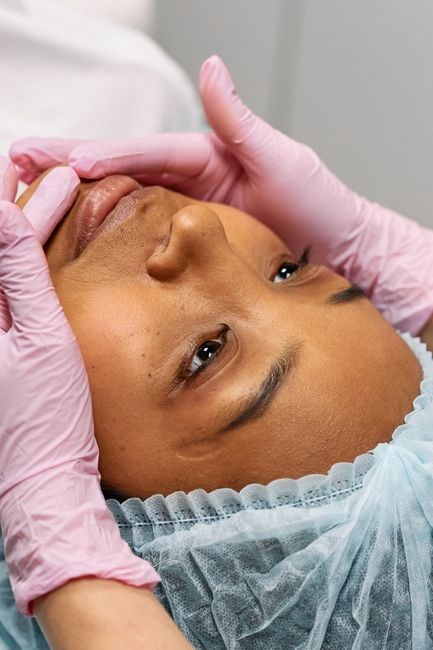
Notice persistent redness, swelling beyond 48 hrs, pus, fever, or severe pain. If symptoms worsen, contact your clinician immediately. Schedule a follow‑up visit within 7 days to assess healing, discuss any concerns, and adjust post‑care if needed. Seek care symptoms flare!!
Signs of Infection
After microneedling, the treated area should gradually calm and begin to heal. However, certain symptoms may indicate an infection that requires prompt attention. Notice if the skin develops an intense, persistent redness that spreads beyond the immediate treatment zone, or if the redness becomes darker and more inflamed after 48 hours. Swelling that does not subside or worsens, especially if it feels hard or tense, can signal cellulitis or abscess formation. Pain that escalates rather than eases, or a throbbing ache that radiates to surrounding tissues, is another red flag. Look for purulent or pus‑like discharge, foul odor, or a thick, yellow‑green fluid emerging from the puncture sites. A sudden increase in warmth at the site, or feeling of heat when touching the area, may suggest bacterial activity. Systemic signs such as low‑grade fever, chills, or general malaise can accompany a localized infection. If you observe any of these symptoms, cease all topical products, avoid touching the area, and contact your provider immediately for evaluation. Prompt treatment with appropriate antibiotics or drainage can prevent complications and ensure a safe recovery. Always follow your clinician’s instructions and keep the treatment area clean and dry until you receive clearance to resume normal skincare routines. Consulting your practitioner promptly can prevent escalation and preserve the integrity of the skin’s healing process. Early intervention saves time and reduces the risk of scarring. Act now.